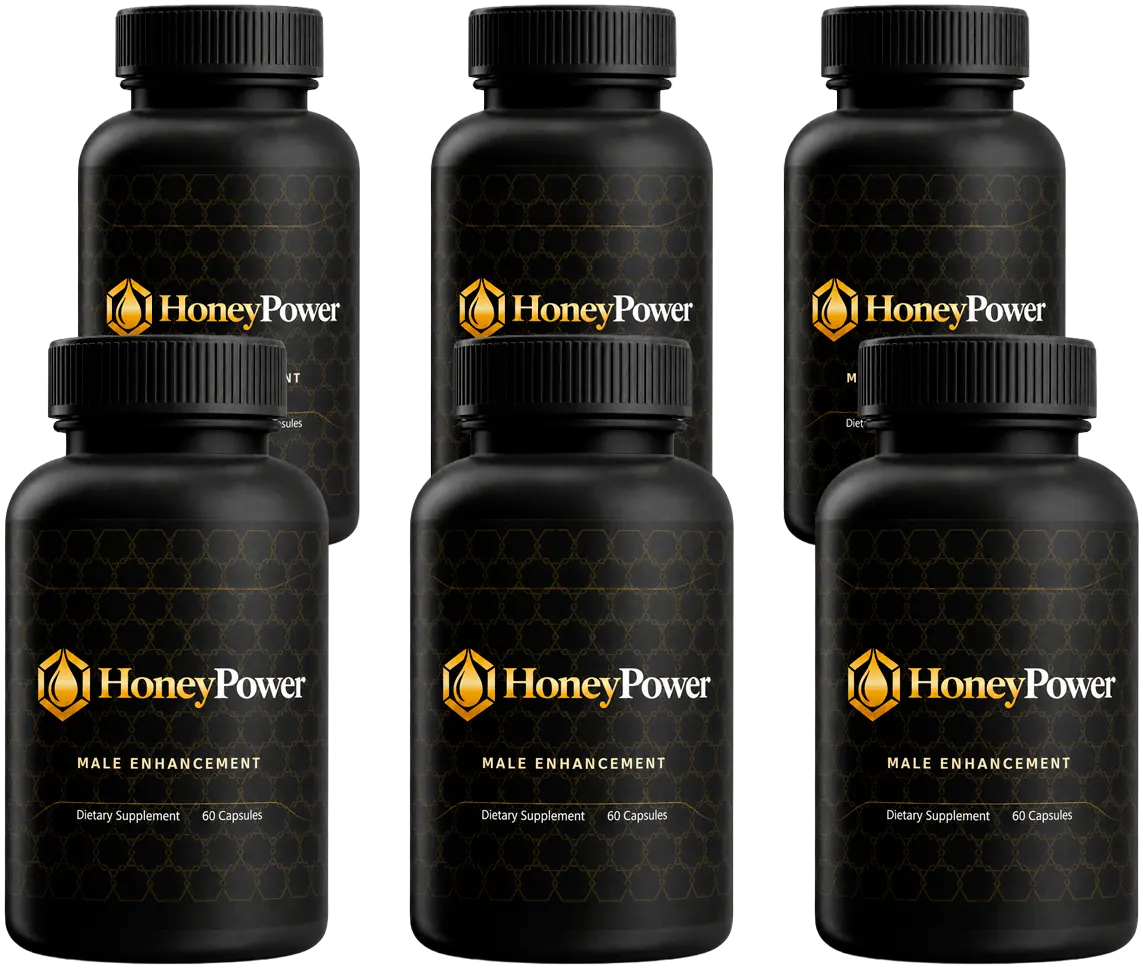
HoneyPower Official Website › Batch and bottle
Batch and bottleHoneyPower Batch Verification
HoneyPower ships as lot HON-26/GE-4888 with certificate reference HON-4888-26-GE.
Both are filing references that let the order desk match a bottle to a purchase. Neither is a laboratory result, no certificate is published for buyers, and this desk has not tested the product.
Two codes, five checks on arrival, and what none of it proves.
The two HoneyPower reference codes, and what each one is
One lot reference, one certificate reference, and the difference between them.
Two codes travel with this product and they are not the same kind of thing. Telling them apart is the whole job of this page.
| Code | What it is | What it lets you do |
|---|---|---|
| HON-26/GE-4888 | The lot, or batch, reference | Match the bottle in your hand against the batch the seller shipped, through the order desk |
| HON-4888-26-GE | A certificate reference | Quote a filing reference when asking the desk about the batch |
Both are filing references. Neither is a laboratory result, and neither certificate is published for a buyer to read.
A reference code in a box on a website looks like proof and is paperwork. It identifies a batch; it does not report what was found in one. Those are different claims and this page keeps them apart.
What the codes are genuinely useful for is matching. If a bottle arrives and the base does not read HON-26/GE-4888, that is a fact worth a call to the order desk on +1 (302) 200-3480 before the first capsule, and the order ID is what makes that call short.
How to check the HoneyPower bottle you received
Five checks, in the order that makes the later conversations short.
Read the base of the bottle
The lot and the best-before date are printed there where the bottle carries them. Compare against HON-26/GE-4888. Photograph it while the carton is still open, because an empty bottle in the bin takes the record with it.
Check the seal before anything else
An intact seal is the one physical check a buyer can make that means something on its own. A broken one is a call to the desk rather than a capsule.
Read the back label, not the front
The front carries four lines. The back carries the full ingredient line including the capsule shell, which is the one thing about this product the front artwork leaves open.
Count the capsules against sixty
Sixty a bottle is what the front prints and what the pack ladder is built on. A short count is worth raising on the day rather than at the end of the month.
Keep the order email
The order ID ties the bottle to the purchase. It is what the desk searches on, and it is the first thing a refund needs.
Where the HoneyPower lot code appears, and where it does not
Three surfaces, and which one wins when they disagree.
Three surfaces carry a code on a product like this one, and only one of them is on the bottle in your hand.
- The base of the bottle. Printed or stamped, usually with the best-before date beside it. This is the authoritative one, because it travels with the product.
- The order email and the packing note. These identify the purchase rather than the batch, and the order ID is what ties the two together at the desk.
- This website and the seller's pages. Lot HON-26/GE-4888 is published as the batch the seller shipped. A page is a description of a batch rather than the batch itself, and it can go out of date without anybody noticing.
The practical consequence is simple. If the base of your bottle reads something other than the published lot, the bottle is right and the page may be stale. That is a call to the order desk rather than a reason for alarm, and it is exactly the situation the order ID exists for.
It is also why the photograph on delivery is worth taking. A lot code and a best-before date in a dated image survive the bottle going into the recycling, and they cost ten seconds on the day the carton is open.
What a real HoneyPower certificate of analysis would contain
Six sections, set out so a reader can tell a document from a reference.
Since no certificate is published, it is worth setting out what one would carry. A reader who knows the shape of the document can tell in seconds whether a seller has produced one or produced a reference to one.
| Section of a certificate | What it reports | Why a buyer would care |
|---|---|---|
| Identity | That each botanical is the species the label names | Substitution of a cheaper related species is the commonest quality failure in botanical supply |
| Assay | How much of each marker compound the batch contains | This is the figure this label leaves to the seller, and the only document that could settle it |
| Heavy metals | Lead, arsenic, cadmium and mercury against limits | Roots and rhizomes take up what is in the soil, and maca and ginseng are both roots |
| Microbiology | Total counts, yeast, mould and specific organisms | Relevant to any powdered plant material |
| Adulterants | A screen for undeclared pharmaceutical compounds | The single most relevant test in this category, and the one the published surveys keep finding things with |
| Batch and date | Which lot the results belong to, and when it was tested | A certificate for a different batch tells you nothing about your bottle |
The shape of a standard supplement certificate, set out so a reader can recognise one. None is published for this product.
The fifth row is the one that matters most here. A laboratory survey of 40 herbal performance supplements used a tiered analytical approach to look for exactly that, and ten years of FDA adulteration warnings show why the screen exists at all.
Asking a seller for the adulterant screen on a named lot is a reasonable question and a short one. The order desk on +1 (302) 200-3480 is where it would go, and the answer to it tells a buyer more about a seller than any graphic on the carton does.
Honest critique: what HoneyPower batch codes cannot establish
What a code establishes, and the five assumptions it does not support.
This is the section that decides whether a page like this one is useful or decorative, so it is written plainly.
A lot code is an identifier. It establishes which batch a bottle came from and it establishes nothing about what is in that batch. No certificate of analysis is published for this product, so there is no document to read, no laboratory named and no assay result to quote.
This desk has not tested this bottle either, and says so on every page where the question arises. What it can do is report what the seller publishes and what the artwork prints, and be explicit about where that stops.
| What a buyer might assume | What is actually established |
|---|---|
| The lot code proves the contents were tested | It identifies a batch. Testing is a separate document, and none is published |
| The certificate reference means a certificate exists to read | It is a reference. The certificate itself is not published for buyers |
| A GMP seal means the batch was assayed | Good manufacturing practice is a process standard rather than a result for a batch |
| This website has checked the bottle | It has not. It reads the artwork, the paperwork and the published research |
| Nothing can be verified at all, then | The seal, the count, the lot on the base and the back label can all be checked by the person holding the bottle |
Five assumptions, and what each one is actually worth.
The last row is the useful one. Verification on a product like this belongs to the buyer holding the bottle rather than to a code printed on a web page, and five minutes on the day of delivery is worth more than any certificate reference.
HoneyPower batch questions
What is the HoneyPower lot number?
Can I see a HoneyPower certificate of analysis?
How do I verify a HoneyPower bottle is genuine?
Has this website tested HoneyPower?
What does the HoneyPower GMP seal prove about my batch?
Sources for the HoneyPower batch page
The category research behind this page's position on what a code establishes.
- Nounou MI, Eassa HA, Helal NA, et al. The safety, efficacy and pharmaceutical quality of male enhancement nutraceuticals bought online: Truth versus claim. J Integr Med. 2021;19(3):232-242. PMID 33736960. https://pubmed.ncbi.nlm.nih.gov/33736960/
- Tucker J, Fischer T, Upjohn L, et al. Unapproved Pharmaceutical Ingredients Included in Dietary Supplements Associated With US Food and Drug Administration Warnings. JAMA Netw Open. 2018;1(6):e183337. PMID 30646238. https://pubmed.ncbi.nlm.nih.gov/30646238/
- Dietary Supplements: What You Need to Know. Office of Dietary Supplements, National Institutes of Health. https://ods.od.nih.gov/factsheets/WYNTK-Consumer/
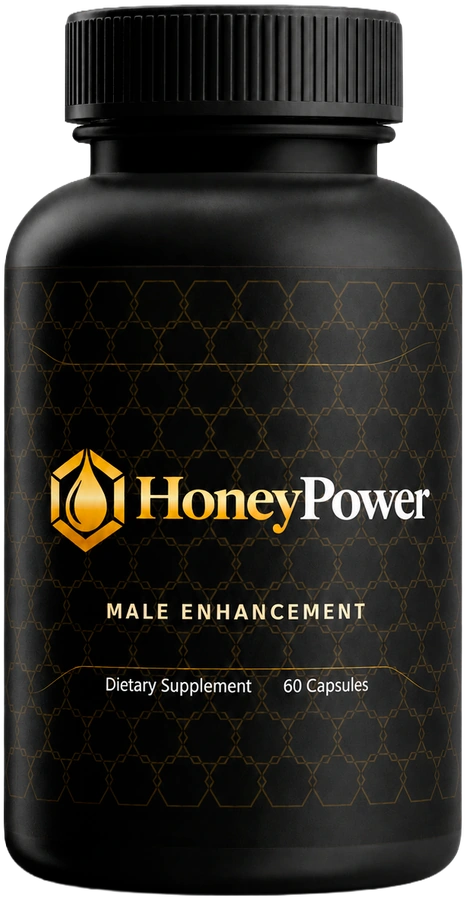
Order HoneyPower and check the bottle on the day
Five checks take two minutes and settle most of what a certificate reference cannot. The 180-day window covers the rest.
One bottle $69 · six bottles $294 · 180-day money-back guarantee
Order HoneyPower On The Official WebsiteTwo capsules a day · 60 per bottle · lot HON-26/GE-4888